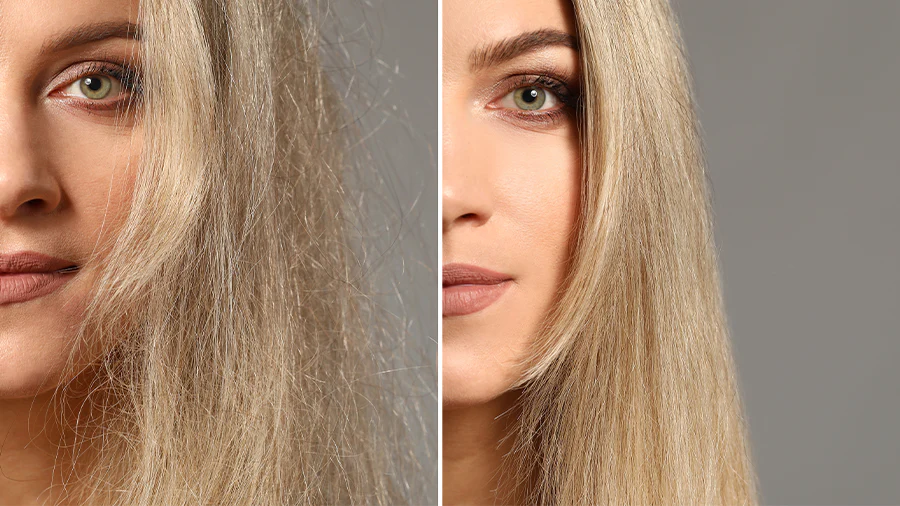
Most people don’t think about their hair until something goes wrong — the drain catches more than usual, the ponytail feels thinner, or the scalp starts acting up. But by then, months of small habits have already shaped the outcome. The truth is, healthy hair isn’t built in a single treatment or product switch. It’s built slowly, in the everyday choices that most of us barely notice.
Why Your Daily Routine Matters More Than You Think
Hair grows about half an inch per month, and each strand lives in a cycle — growing, resting, and eventually shedding. What you do daily affects how well that cycle functions. Poor habits don’t cause immediate damage; they accumulate. A tight hairstyle every day, skipping scalp care, or never adjusting your wash routine to the season — none of these feels harmful in the moment, but over months, they quietly shift your hair’s baseline health.
The scalp is where everything begins. It’s essentially skin with hair follicles embedded in it, and like all skin, it needs proper circulation, hydration, and a clean environment to function well. When the scalp is neglected or consistently stressed, follicle health declines — and weaker follicles produce thinner, shorter strands over time.
How You Wash Your Hair Changes Everything
Over-washing strips the scalp of natural oils, triggering more oil production to compensate. Under-washing lets product buildup and dead skin clog follicles. Neither extreme supports healthy growth.
For most hair types, washing two to three times a week is a reasonable starting point. But the water temperature matters too. Hot water opens the hair cuticle too aggressively, leaving strands frizzy and prone to breakage. Lukewarm water is gentler and still cleans effectively.
Also worth checking: your shampoo’s formula. Sulfate-heavy shampoos cleanse efficiently but can be harsh on both scalp and hair shaft, especially with frequent use. If your scalp feels tight or itchy after washing, that’s worth paying attention to.
Scalp Care Isn’t the Same as Hair Care
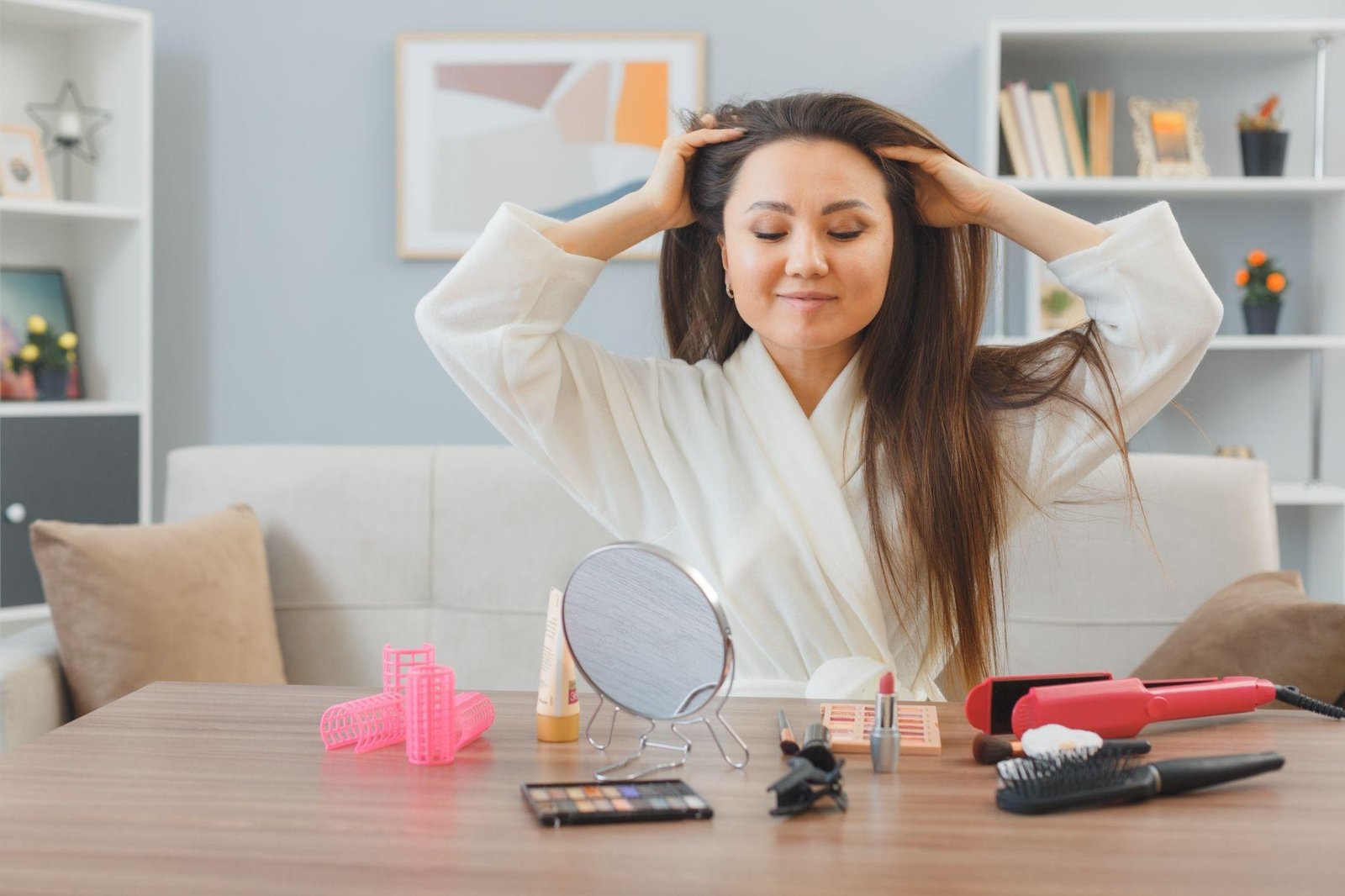
This distinction gets overlooked constantly. Most people focus on the lengths and ends of their hair, but the scalp deserves its own attention. A gentle scalp massage during washing — just two to three minutes with your fingertips — improves blood circulation to the follicles. Better circulation means more nutrients reaching the roots.
If you’re dealing with dandruff, excess oiliness, or persistent itching, these are signals rather than cosmetic inconveniences. They suggest the scalp environment is off balance, whether due to a fungal issue, product sensitivity, or internal factors like diet and stress.
Heat and Tension: Two Silent Contributors to Hair Damage
Daily heat styling and tight hairstyles are two of the most common reasons people experience gradual hair thinning without realizing the cause.
Heat above 180°C can break down the proteins in the hair shaft, leading to brittleness and split ends that travel up the strand. Using a heat protectant isn’t optional — it’s basic damage control.
Traction, the mechanical stress from tight ponytails, braids, or extensions worn repeatedly, can inflame and scar hair follicles over time. This type of hair loss, called traction alopecia, is preventable but not always reversible if caught late. Alternating hairstyles and giving your scalp rest days makes a real difference.
Nutrition and Hair: The Connection People Underestimate
Hair is made of protein, and it’s one of the last places your body sends nutrients when resources are limited. Deficiencies in iron, zinc, biotin, vitamin D, and protein show up in hair before almost anywhere else — as shedding, slow growth, or dull texture.
This is why crash diets and highly restrictive eating often lead to noticeable hair loss within three to six months. If your diet has been inconsistent, that’s worth addressing before adding more topical products.
For anyone looking to understand how internal health connects to hair behaviour, exploring hair growth tips grounded in both nutrition and lifestyle can offer a clearer picture.
Understanding Root Causes Before Reaching for Solutions
There’s a tendency to chase symptoms — trying every new oil, shampoo, or supplement without understanding what’s actually driving the problem. Brands like Traya hair care take a different approach by identifying underlying causes first, whether hormonal, nutritional, or stress-related, before recommending a plan.
That philosophy is worth borrowing regardless of what you use. Ask why before you ask what.
Final Thoughts
Strong, healthy hair rarely comes from one dramatic change. It comes from consistency — washing correctly, protecting the scalp, eating well, reducing mechanical stress, and paying attention when something shifts. The best thing you can do for your hair today is also the simplest: stop treating it as an afterthought and start treating it as a reflection of your overall health. Small, sustained habits will always outperform the next trending fix.