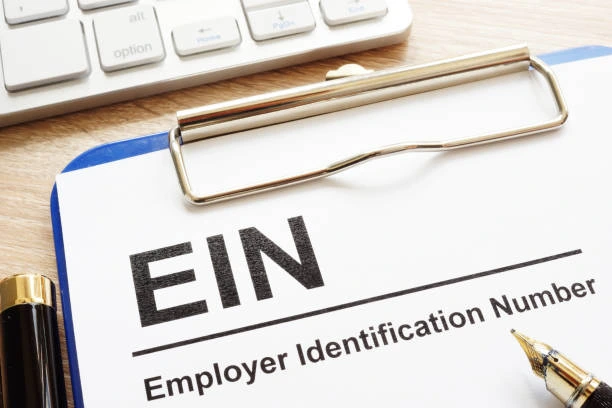
An Employer Identification Number, or EIN, is one of the most important identifiers a business can hold in the United States. Issued by the Internal Revenue Service, this nine-digit number functions much like a Social Security number, but for a company rather than an individual. Whether you are launching a small startup, hiring your first employee, or opening a business bank account, you will almost certainly need an EIN at some point. Understanding what this number represents and how to work with it correctly can save business owners a significant amount of time and confusion.
Businesses and individuals often need to confirm that an EIN belongs to a legitimate, active company before signing a contract, onboarding a new vendor, or processing a payment. Fortunately, there are several reliable ways to verify this information, ranging from checking official IRS documentation to using specialized verification platforms that connect directly to government records. Taking this extra step can help protect your business from costly errors, delayed payments, and even fraud, especially when dealing with new or unfamiliar partners.
Before diving into lookup methods, it helps to understand why the EIN exists in the first place. The IRS uses this number to track a business’s tax filings, much like it uses a Social Security number to track an individual’s tax history. Beyond taxes, an EIN is typically required to open a business bank account, apply for business licenses and permits, hire employees and manage payroll, apply for business loans or credit lines, and file certain types of business tax returns. Sole proprietors without employees are sometimes able to operate using their personal Social Security number instead, but most partnerships, corporations, and LLCs are required to obtain one, and owners who are unsure where to begin can learn how to lookup an ein directly from official IRS records before moving forward with any registration or verification steps.
How to Find Your Own EIN
If you have already been issued an EIN but cannot remember it, there are a few straightforward places to look. The confirmation letter the IRS sent when the number was first issued, known as Form CP 575, is the most reliable source. Business owners can also check previously filed tax returns, since the EIN typically appears near the top of the document. Bank statements from a business account, old loan applications, and business licenses are additional places where the number is often recorded. If none of these documents are available, contacting the IRS Business & Specialty Tax Line directly is usually the fastest way to recover a lost number.
Verifying Someone Else’s EIN
Confirming another company’s EIN is a different challenge, since this information is not always publicly searchable in the same way a business name might be. Publicly traded companies often disclose their EIN in filings submitted to the Securities and Exchange Commission, which can be searched through the SEC’s EDGAR database. Nonprofit organizations are somewhat easier to verify, since the IRS maintains a searchable tool for tax-exempt organizations that displays EIN details alongside filing status. For private companies, a formal request through IRS Form 4506-T can produce a tax transcript that confirms the number, though this process can take time and typically requires the business’s cooperation.
Why Verification Matters for Growing Businesses
As companies scale and begin working with a larger network of vendors, contractors, and partners, manually tracking down and confirming EIN details for every relationship becomes impractical. Finance and compliance teams increasingly rely on automated verification tools that check a given EIN against IRS records in real time, returning details such as registration status, entity type, and registered business name. This kind of verification is particularly valuable during vendor onboarding, before large payments go out, and as part of routine compliance and fraud-prevention procedures, since it helps confirm that a business is exactly who it claims to be before money changes hands.
Common Mistakes to Avoid
One frequent mistake business owners make is assuming an EIN and a business license number are the same thing; they are not, and each serves a different regulatory purpose. Another common error is applying for a new EIN when a business changes its name or moves to a new address, when in most cases the existing number simply needs to be updated with the IRS rather than replaced. It is also worth noting that a single EIN generally follows a business entity for its entire lifespan, unless the ownership structure changes significantly, such as through incorporation, a merger, or a change in entity type from a sole proprietorship to an LLC or corporation.
Final Thoughts
An EIN may seem like a small administrative detail, but it plays a central role in how a business is recognized by the IRS, banks, and potential partners. Knowing how to locate your own number, and how to verify someone else’s, is a practical skill that supports smoother operations and stronger due diligence. As verification becomes a more routine part of onboarding and payment workflows, business owners who understand this process will be better equipped to avoid delays, reduce risk, and build trust with the companies they work with.