I never really thought much about my computer’s drivers until my PC started too noticeably slow down. At first the changes were small. Programs started more slowly, Windows took longer to start up and switching between apps was not as smooth as it used to be. The slowdown was gradual so I thought it was because of low storage or too many programs installed. Like many, I started with the usual fixes. I removed unnecessary files, turned off startup applications, installed Windows updates, and even scanned my system for malware. These steps helped a little, but overall performance did not improve for long. My computer was still slow and I kept having little problems when I used it for everyday things.
I looked into some possible causes, and it seems that outdated drivers can really affect the performance of a computer. Drivers are the communication link between Windows and hardware such as graphics cards, network adapters, audio devices and Bluetooth peripherals. When they become obsolete or incompatible, the system may experience slower response times, less stability and hardware-related issues without any apparent error message. So, I decided to do a little digging instead of just assuming my computer was getting old. Turning to a driver updater led me to uncover several hidden driver issues that were silently dragging down my PC’s performance all along.
Looking Beyond the Usual Fixes
Before resorting to the specialized tools, I tried most of the usual tricks. I cleaned temp files regularly, uninstalled software I don’t use, optimized startup programs and rebooted my computer. These maintenance tasks are important because they free up system resources and improve general performance, but they didn’t solve the underlying issue.
I also checked to make sure Windows was fully updated and ran a full antivirus scan to rule out malware. Everything looked good, but the random slowdowns just kept happening.
That’s when I realized that drivers can have a big impact on overall system performance. Older drivers do not always lead to hardware problems. Instead, they generally lower efficiency, cause compatibility issues after Windows updates, and hinder the smooth communication between hardware and the OS.
Because every hardware manufacturer provides different drivers, manually checking each component seemed both time-consuming and confusing. I wanted a reliable driver updater that could automatically scan my system and identify outdated drivers without requiring hours of research.
How I Found Driver Booster
When I started looking at driver management tools, I stumbled on Driver Booster, and right away, the way it scans your whole system and flags out-of-date drivers all in one place stood out to me.
It features:
Massive Driver Database: Maintains a database of over 18 million drivers and game components for comprehensive hardware support
One-Click Scan & Update: Automatically scans for outdated, missing, or faulty drivers and updates all of them with a single click .
Broad Hardware Support: Updates drivers for a wide range of devices, including graphics cards, audio devices, network adapters, chipsets, printers, and USB devices .
Installing it was a breeze. I had it up and running in just a few minutes and went straight into my first scan. Honestly, I was surprised. It flagged a bunch of outdated drivers tied to things like my graphics card, audio, and network adapter. None of these parts had actually stopped working, but putting the pieces together, it finally made sense why my computer felt slower every week.
No more digging around on dozens of manufacturers’ websites, trying to figure out what needed updating. I could just see everything right there and get my system in shape. The real kicker was realizing my PC wasn’t acting sluggish because it was just “old.” It was all these driver hiccups building up behind the scenes.
How I Used Driver Booster
Once I realized old drivers were slowing down my computer, I figured it was time for an upgrade. I grabbed Driver Booster from the official site and got started—honestly, it couldn’t have been simpler.
Download and install the software from the official website.
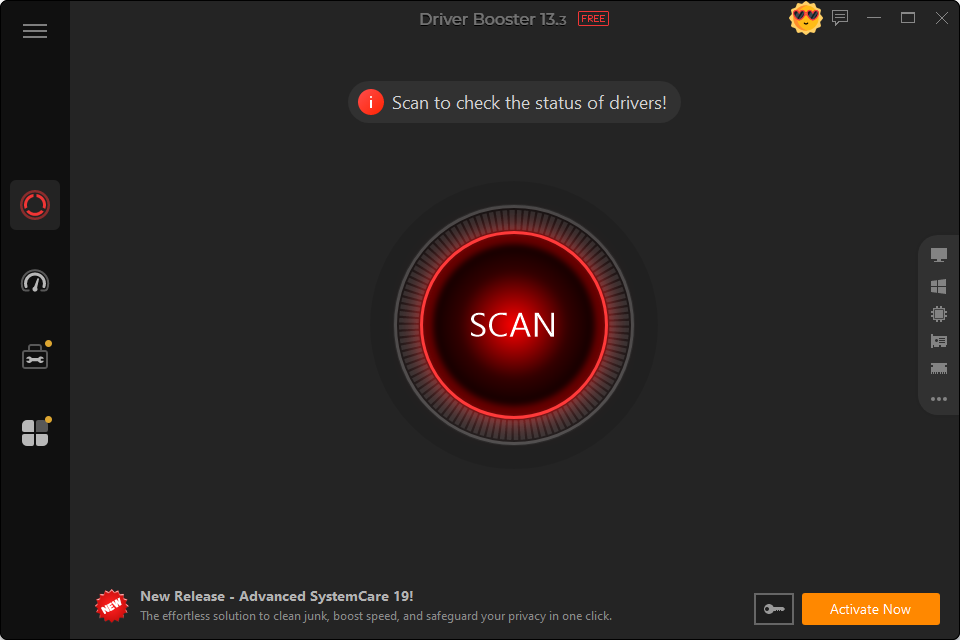
- Run a full system scan to detect outdated, missing, or faulty drivers across all major hardware components.
- Review the scan results to identify which drivers needed updates and understand their impact on system performance.
- Update the required drivers with just a few clicks instead of manually searching different manufacturer websites for compatible versions.
- Restart the computer so the newly installed drivers could be applied properly and the changes could take effect.
In a few minutes, it flagged all the outdated, missing, or messed-up drivers on my hardware. The results showed exactly what needed fixing and why it mattered for performance. Updating them was almost too easy—no hunting down individual files or digging through manufacturer websites. Just a couple clicks and it handled the rest.
The Difference I Noticed
Right after I restarted my computer, everything just felt faster. Windows booted up in no time, apps launched quickly, and jumping between programs was way more responsive.
My Bluetooth headset connected without drama, audio playback stopped stuttering, and my internet connection stayed solid through video calls and work. Even when I streamed videos or played a few light games, things ran smoother with barely any hiccups. So no, updating drivers didn’t magically turn my PC into a totally new machine—but it definitely gave it a boost. More than anything, all those tiny glitches that used to slow me down just vanished, and working on my computer suddenly felt a lot less frustrating.
Why Keeping Drivers Updated Matters
Going through this made me realize that keeping your drivers up to date matters just as much as updating Windows or cleaning out old files. When your drivers are current, your hardware and operating system actually “talk” to each other the right way, so everything runs smoother and you dodge random errors or weird problems. If you keep an eye on your drivers instead of waiting for something to break, you can stop a lot of trouble before it even starts.
Final Thoughts
At first, I thought my computer was just getting old or running out of space. Turns out, the real culprit was outdated drivers sneaking around in the background. Driver Booster made it easy to spot those hidden troublemakers and update them without all the tedious searching. If your PC keeps slowing down even though you take care of it, don’t forget about your drivers. A good driver updater digs up problems you probably wouldn’t notice and helps your system run more smoothly. Ever since I started checking my drivers regularly, my computer feels more stable and way more responsive—it’s just more enjoyable to use.